Optimal Timing for Windows Installations
Determining the optimal time for Windows installations involves considering factors such as system readiness, workload schedules, and seasonal periods. Proper timing can minimize disruptions and ensure a smooth setup process.
Installing Windows during low-traffic periods reduces downtime and allows for thorough setup. Typically, these are late fall and winter months when business activity slows.
Aligning installations with scheduled maintenance periods ensures minimal impact on operations. These are often predetermined by IT planning cycles.
Timing Windows installations prior to hardware upgrades can optimize performance and compatibility, avoiding conflicts during critical system enhancements.
Performing installations before peak business seasons or deadlines helps prevent disruptions during busy times, ensuring operational continuity.

An overview of the steps involved in installing Windows, including preparation, setup, and configuration.

Visual guide to choosing optimal times for Windows installations based on workload and operational schedules.

Preparing hardware and software environments before installing Windows to ensure compatibility and smooth setup.

Important steps to verify system stability and performance after Windows installation.
| Factor | Recommendation |
|---|---|
| Business Cycles | Schedule installations during low-traffic periods |
| Hardware Upgrades | Perform before major hardware updates |
| Operational Impact | Align with maintenance windows |
| Seasonal Trends | Avoid peak seasons for critical systems |
| System Reboots | Coordinate with regular reboot schedules |
| Staff Availability | Ensure technical support is accessible |
| Data Backup | Complete backups prior to installation |
| Software Compatibility | Verify compatibility beforehand |
Windows installations are a vital component of maintaining optimal system performance and security. Proper timing ensures minimal disruption to daily operations and allows for comprehensive testing and configuration. Regular updates and installations can enhance system stability and compatibility with new hardware or software requirements.

Tools and utilities used for deploying Windows across multiple devices efficiently.

Ensuring hardware and software meet requirements before installation.

Setting up user accounts, security policies, and updates.

Addressing typical problems encountered during Windows installations.

Ways to make Windows Installations work in tight or awkward layouts.

Popular materials for Windows Installations and why they hold up over time.

Simple add-ons that improve Windows Installations without blowing the budget.

High-end options that actually feel worth it for Windows Installations.
Choosing the right time for Windows installations can significantly impact system performance and operational efficiency. Careful planning and coordination with IT schedules help ensure a seamless transition and ongoing system reliability.

Visual overview of a completed Windows setup.

Preparing hardware and software environments.
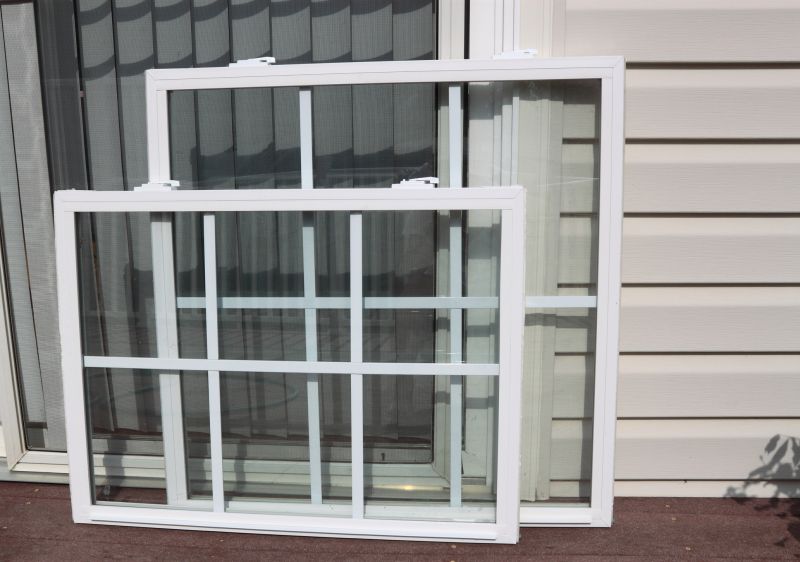
A fully configured Windows environment ready for use.

Finishes and colors that play nicely with Windows Installations.
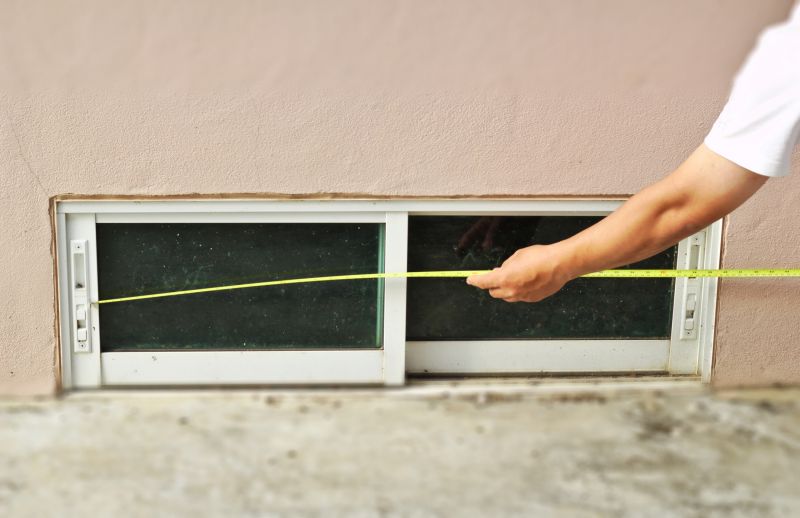
Little measurements that prevent headaches on Windows Installations day.

A 60-second routine that keeps Windows Installations looking new.

A frequent mistake in Windows Installations and how to dodge it.
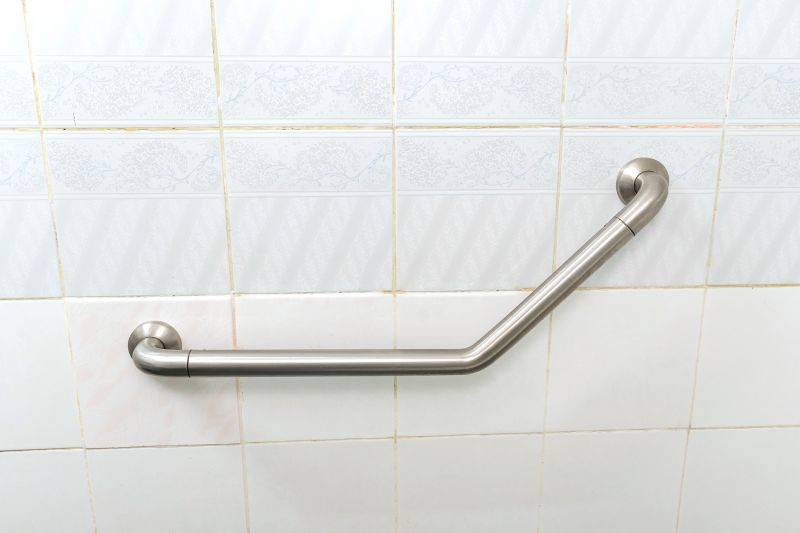
Small tweaks to make Windows Installations safer and easier to use.

Lower-waste or water-saving choices for Windows Installations.
Interested in scheduling a Windows installation or learning more about the process? Filling out the contact form can provide tailored advice and support to meet specific needs.